Bitcoin in February 2026: Navigating the Pullback and the Path Forward
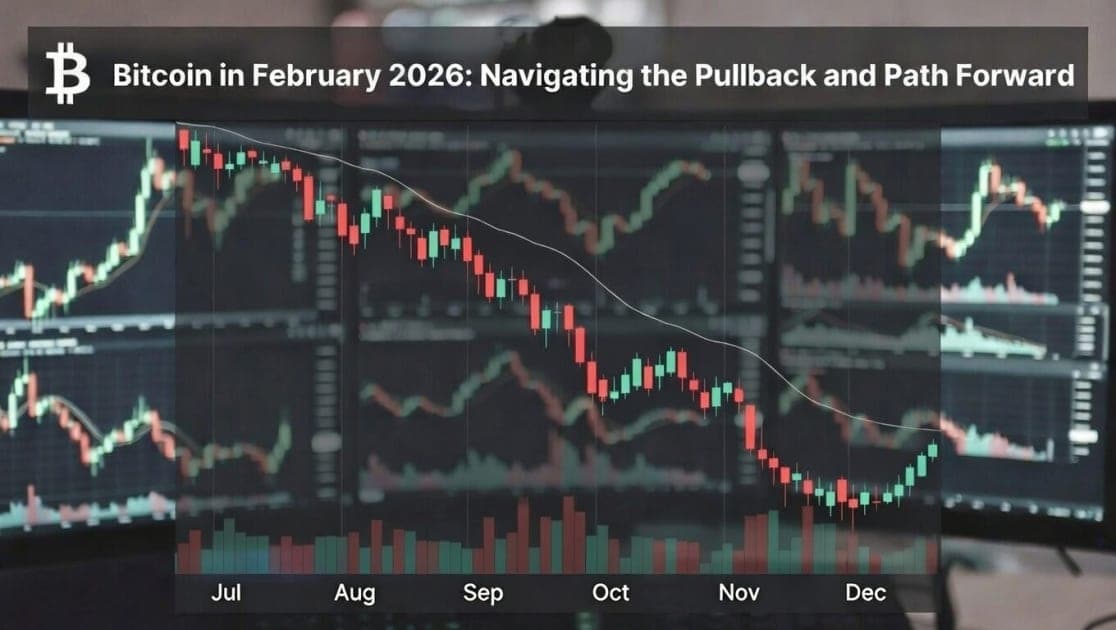
Bitcoin (BTC), the world’s largest and most influential cryptocurrency, is under notable pressure in early February 2026. After setting a new all-time high near $126,198 in 2025, BTC has entered a sharp corrective phase, trading around $76,000–$77,000 as of February 2, 2026. This decline represents a drawdown of roughly 40% from peak levels, bringing Bitcoin’s total market capitalization down to approximately $1.5–1.6 trillion.
While such corrections can feel dramatic, they are not unusual in Bitcoin’s historical market cycles. Instead, they often reflect a combination of technical, macroeconomic, and behavioral forces converging at key inflection points.
What’s Driving the Current Pullback?
Several overlapping factors are contributing to Bitcoin’s recent weakness:
1. Liquidity Conditions and Market Structure
- Thin liquidity across crypto markets has amplified downside moves.
- Large sell orders have had an outsized impact, pushing prices lower more quickly than during periods of deeper liquidity.
- Derivative markets have seen long liquidations, accelerating the drop as leverage was unwound.
2. ETF Outflows and Institutional Rebalancing
- Spot Bitcoin ETFs have recorded significant outflows, with more than $509 million exiting in recent sessions.
- Some institutional investors appear to be locking in profits after the 2025 rally.
- Others are reallocating capital toward safer assets amid macro uncertainty.
3. Macroeconomic Headwinds
- Hawkish signals from the U.S. Federal Reserve have reduced appetite for risk assets.
- Elevated real yields and a stronger dollar have pressured both equities and crypto.
- Bitcoin, despite its “digital gold” narrative, continues to behave as a high-beta risk asset during tightening cycles.
4. Correlation Across the Crypto Market
- Bitcoin remains highly correlated with altcoins and broader crypto sentiment.
- When BTC weakens, capital often exits the entire ecosystem, reinforcing synchronized drawdowns.
- This lockstep movement reduces diversification benefits within crypto during downturns.
Technical Landscape: Levels That Matter
From a technical perspective, Bitcoin is at a critical juncture:
- Recent Low: BTC briefly tested the $74,000 area before bouncing.
- Immediate Support:
- Primary: $75,000
- Secondary: $69,500
- Deeper Support Zone:
- If bearish momentum accelerates, analysts highlight $63,000–$65,000 as a major demand area tied to prior consolidation.
- Resistance Levels:
- Near-term resistance sits around $80,000–$82,000.
- A sustained break above this range could shift sentiment back toward a bullish continuation.
The recent rebound has the characteristics of a V-shaped recovery, suggesting aggressive dip-buying interest. However, confirmation will require sustained volume and a higher low on subsequent pullbacks.
Sentiment and Market Psychology
Market sentiment in early February 2026 is cautiously pessimistic:
- Short-term traders remain defensive, expecting continued volatility.
- Fear metrics have risen, though not yet at extreme capitulation levels.
- Long-term holders (LTHs) appear largely unshaken, with on-chain data suggesting limited distribution from older wallets.
Historically, these transitional phases—where short-term confidence is weak but long-term conviction remains intact—often define mid-cycle consolidations rather than true bear markets.
The Long-Term Bullish Thesis Remains Intact
Despite near-term weakness, Bitcoin’s structural narrative has not materially changed:
- Fixed Supply: BTC’s hard cap of 21 million coins continues to underpin its scarcity value.
- Institutional Adoption:
- ETFs, custodial infrastructure, and clearer regulatory frameworks have entrenched Bitcoin in traditional finance.
- Digital Gold Narrative:
- Over time, Bitcoin is increasingly viewed as a hedge against monetary debasement and sovereign risk.
- Cycle Dynamics:
- Past cycles suggest extended consolidation phases often precede the final leg higher, rather than signaling the end of a bull market.
Many analysts view the current correction as a reset of excess leverage and speculation, creating healthier conditions for sustainable upside later in 2026.
Looking Ahead
Bitcoin’s path forward will likely be shaped by:
- Macroeconomic policy shifts, particularly Fed guidance.
- The return (or absence) of ETF inflows.
- Whether key technical support levels continue to hold.
In the near term, volatility is expected to remain elevated. Over the medium to long term, however, Bitcoin appears to be consolidating within a broader bullish cycle, rather than breaking down structurally.
For investors and market participants, February 2026 may be remembered less as the start of a downturn—and more as a pivotal pause before Bitcoin’s next major move.
Important DisclaimerLegal
All content on Bitiblocky is for educational and informational purposes only and does not constitute financial advice. Always do your own research (DYOR) and consult with a qualified financial advisor before making investment decisions. Cryptocurrency investments carry significant risk, and you should never invest more than you can afford to lose.
Frequently Asked Questions
Thin liquidity, ETF outflows, and macro pressures like Fed policy shifts triggered leveraged liquidations and selling.
Sign in to comment
Join the conversation by signing in