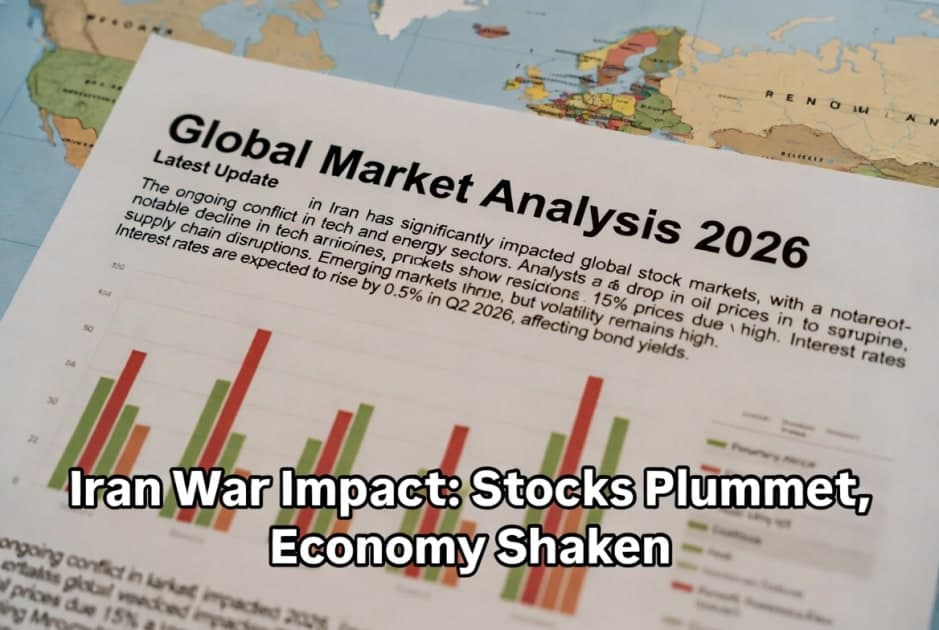
Global Market Analysis 2026: How the Iran War and Ongoing Conflicts Are Reshaping Stock Markets Worldwide
As of April 14, 2026, the world is grappling with multiple active conflicts at levels not seen since World War II. The Iran war that escalated in late February 2026 has become the dominant force roiling global markets, compounding the persistent effects of the Russia-Ukraine war. According to the IMF's latest research, wars cause output declines of roughly 7% over five years in affected countries, with scars lasting over a decade.
This global market analysis 2026 examines the latest impacts on equities, bonds, commodities, and investor sentiment, with fresh data from the past 48 hours.
The Iran War Shock: From Geopolitical Risk to Supply Disruption
The U.S.-Iran conflict escalated dramatically in late February 2026, shifting from proxy tensions to direct strikes and the effective closure (or severe disruption) of the Strait of Hormuz. This critical chokepoint handles about 20% of global oil and LNG supply.
- Oil prices spiked sharply: Brent crude climbed above $100 per barrel in March, with some analysts noting peaks near $111 for near-term contracts. The International Energy Agency called it the largest supply disruption in history.
- Wholesale energy costs surged, pushing inflation higher and forcing central banks to reconsider rate cuts.
- Global equity markets reacted with a broad risk-off move:
- MSCI ACWI fell 7.1% in March
- Emerging Markets dropped 13%
- S&P 500 declined around 5%
- MSCI EAFE fell 10%
As of April 13–14, 2026, markets show some relief on ceasefire hopes and U.S.-Iran negotiation signals, with U.S. stocks rallying and oil retreating below $100 in some sessions. However, uncertainty remains high, and analysts warn of prolonged volatility.
Russia-Ukraine War: Persistent Energy and Trade Headwinds
The Russia-Ukraine conflict, now in its fourth year, continues to disrupt energy flows and grain supplies. Recent Ukrainian strikes on Russian oil infrastructure have compounded the Iran-induced supply shock, keeping energy prices elevated longer than expected.
This dual-war scenario has created a "double shock" for the global economy:
- Higher energy costs acting as a tax on growth
- Supply chain disruptions inflating goods prices
Sector Winners and Losers in 2026 War Environment
Winners
- Energy sector — Oil & gas companies, defense stocks
- Commodities-linked firms benefiting from higher prices
Losers
- Airlines and transportation — Higher fuel costs
- Consumer discretionary — Reduced spending due to inflation
- Technology and growth stocks — Higher yields and risk aversion hurt valuations
European and Asian markets, more dependent on Middle East energy, have suffered deeper losses than U.S. large caps.
Bond Markets and Interest Rates Under Pressure
Bonds declined amid rising inflation expectations. The war has complicated central bank policies, with many now facing stagflation risks (high inflation + slowing growth).
- U.S. Treasury yields eased slightly on de-escalation hopes
- Markets remain highly sensitive to oil price movements
Emerging Markets Hit Hardest
Developing economies face:
- Currency pressure from a stronger USD
- Higher import costs
- Reduced growth forecasts
The IMF has signaled downgrades for 2026 global GDP while raising inflation predictions.
Investor Strategies for War-Driven Volatility
- Diversify geographically — Favor U.S. energy exporters over import-dependent regions
- Hedge with commodities — Selective exposure to oil and defense
- Monitor ceasefire signals — Short-term rallies possible on de-escalation news
- Focus on quality — Large-cap stocks with strong balance sheets have outperformed
Outlook: Hope for Resolution vs. Prolonged Pain
Recent signals from U.S. President Trump and Iran indicate willingness for talks, including a two-week ceasefire in exchange for reopening shipping lanes. Stocks surged on such news, but experts caution that even a tactical pause may not fully reverse economic scars.
The global market analysis 2026 points to:
- Slower growth
- Higher inflation
- Elevated volatility
Unless conflicts de-escalate quickly, long-term impacts will persist. However, wars are also accelerating structural shifts toward:
- Energy diversification
- Supply chain resilience
Important DisclaimerLegal
All content on Bitiblocky is for educational and informational purposes only and does not constitute financial advice. Always do your own research (DYOR) and consult with a qualified financial advisor before making investment decisions. Cryptocurrency investments carry significant risk, and you should never invest more than you can afford to lose.
Frequently Asked Questions
Major indices dropped 5-13% in March due to oil shocks and risk aversion.
Sign in to comment
Join the conversation by signing in